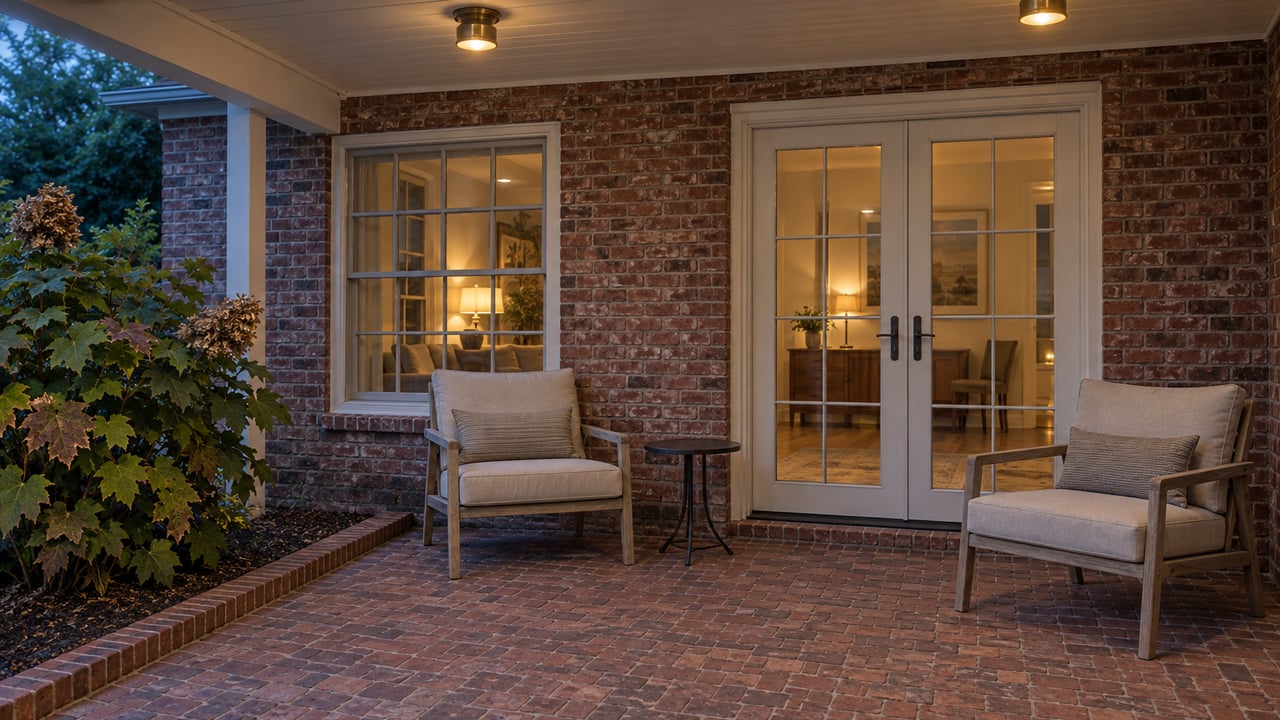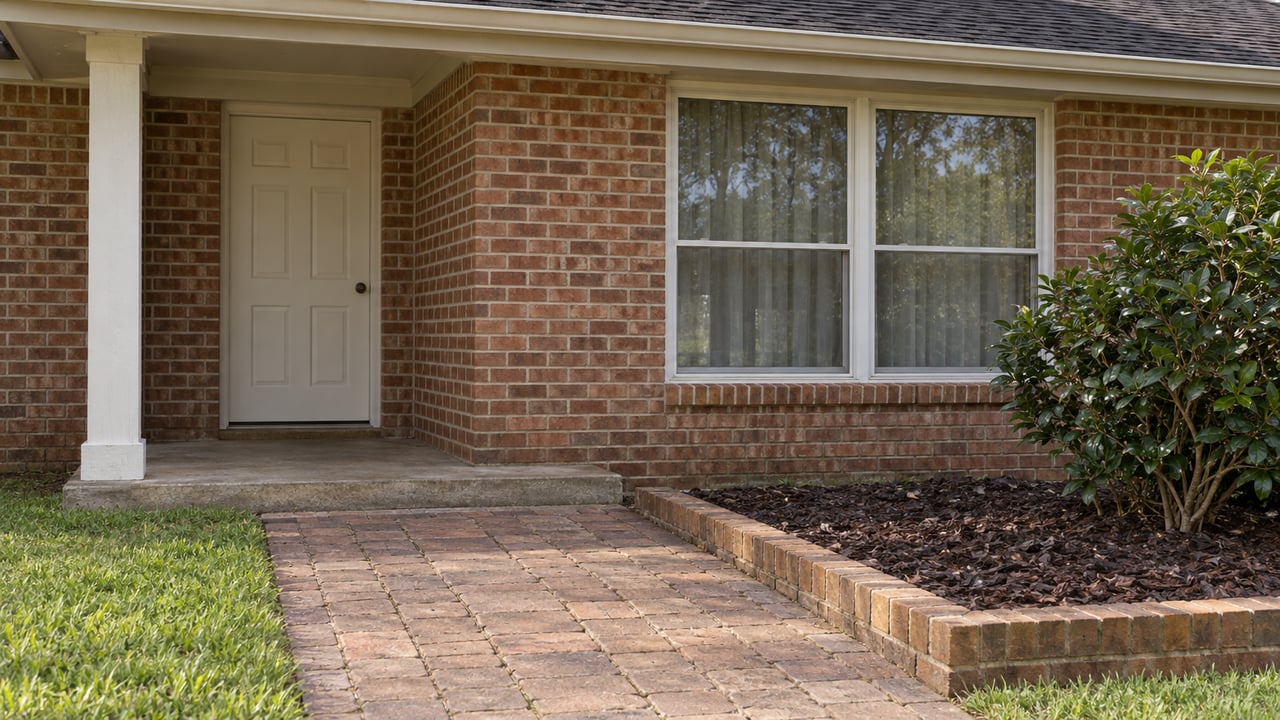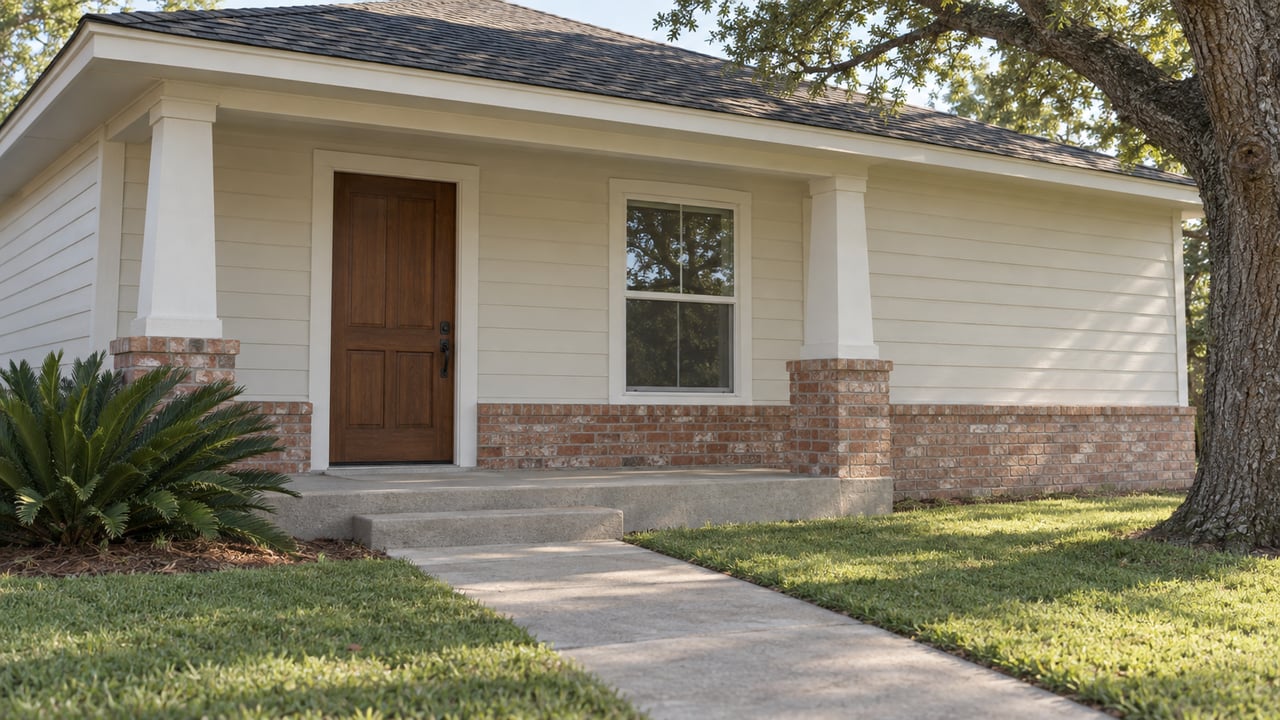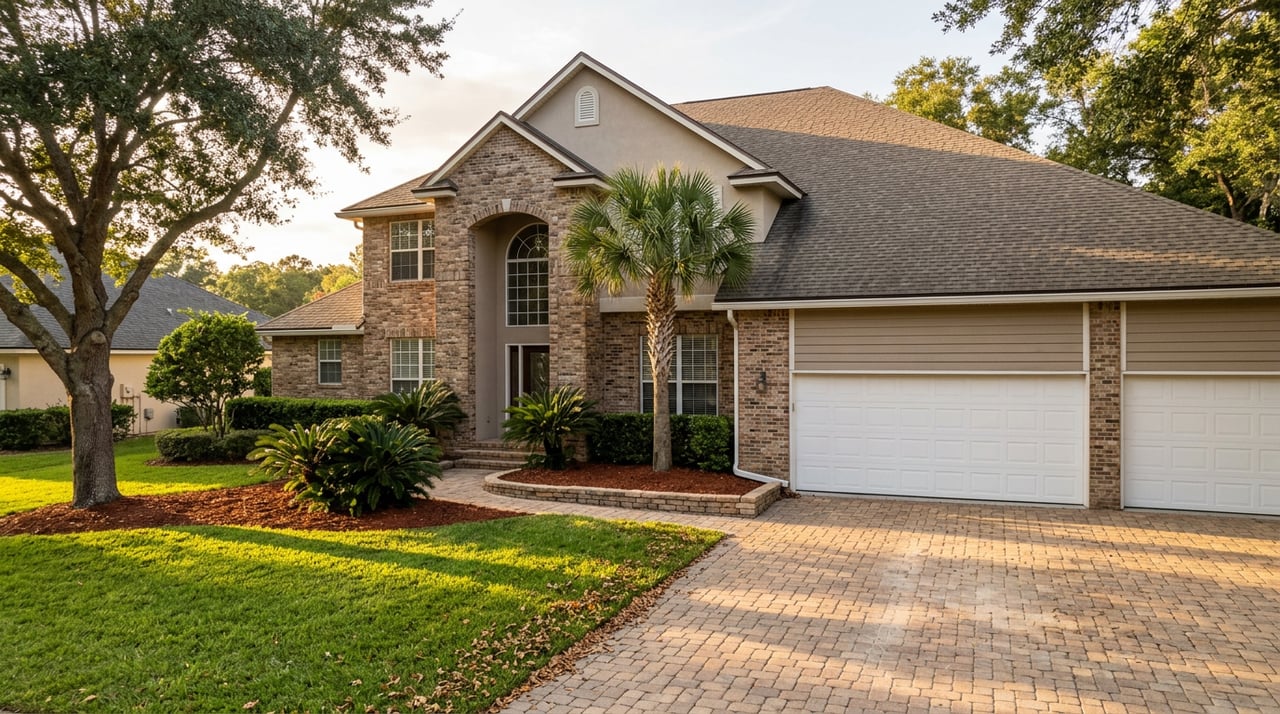
If you love the idea of coastal living but not the full workload of a stand-alone home, a condo or townhome in Atlantic Beach or Neptune Beach may hit the sweet spot. These two beach communities offer easy access to the ocean, dining, and recreation, but they also come with practical questions about maintenance, insurance, and association rules. This guide will help you compare the lifestyle, features, and due diligence points that matter most so you can make a confident move. Let’s dive in.
Why attached homes work here
Atlantic Beach and Neptune Beach are compact coastal communities where location shapes daily life. Atlantic Beach has more than two miles of white sandy beaches with public access points, and Neptune Beach sits between the Atlantic Ocean and the Intracoastal Waterway in a footprint of about 2.5 square miles.
Because these areas are so closely connected, many buyers focus on how to stay near the beach while keeping upkeep manageable. The shared Beaches Town Center parking program also reflects how closely the two communities overlap as a lifestyle destination.
For many buyers, that is where condos and townhomes stand out. They can offer a lower-maintenance path to beach living while keeping you close to local restaurants, shops, and outdoor recreation.
Condo and townhome options
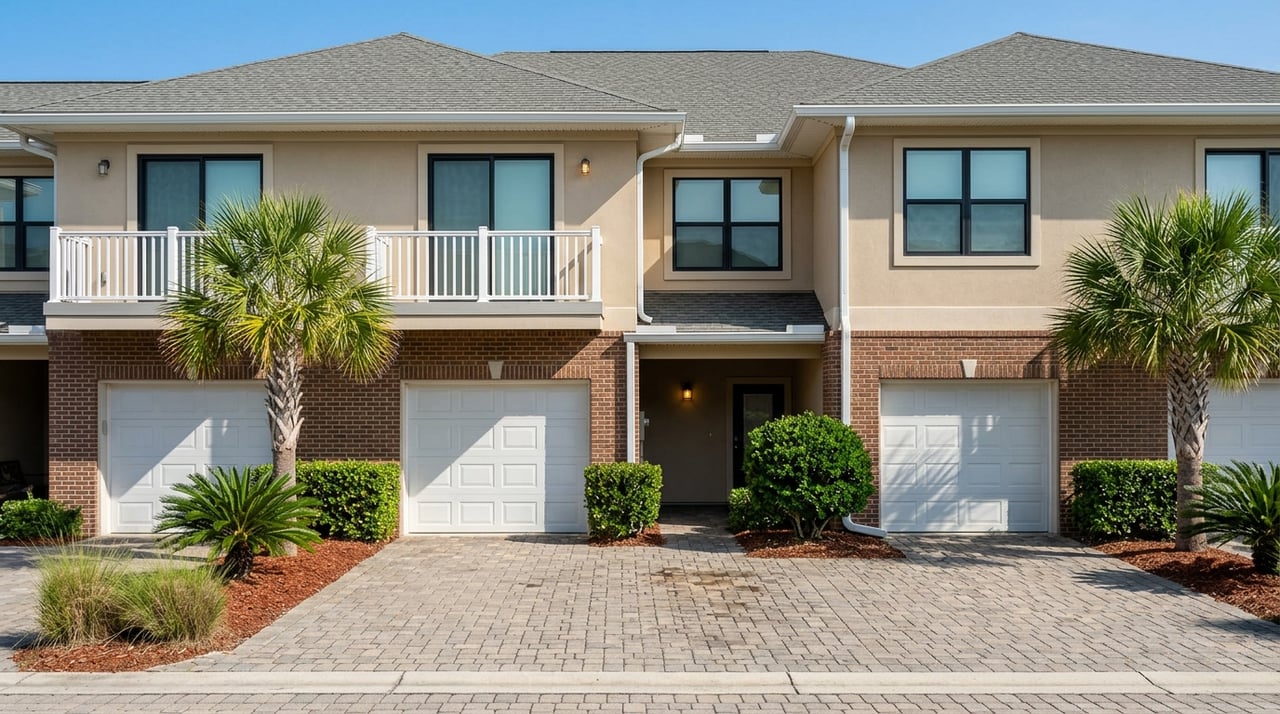
One of the biggest strengths of this market is variety. Attached homes in Atlantic Beach and Neptune Beach range from compact units that are easy to lock and leave to larger multi-level properties that feel more like a traditional home.
In Atlantic Beach, Ocean Village is a 42-unit oceanfront community with 30 two-bedroom and 12 three-bedroom townhomes, along with a pool and clubhouse. Other local examples include townhouse-style condo layouts with features like private staircases, balconies, and fireplaces.
Neptune Beach shows a similar range. A local Summer Sands townhome example includes three bedrooms, 2.5 baths, about 1,556 square feet, plus access to a community pool and clubhouse.
Across the broader Atlantic Beach condo market, examples have ranged from one-bedroom oceanfront units around 864 square feet to three-bedroom residences around 1,701 square feet. That means you can find options that fit very different goals, whether you want a simple second home, a primary residence near the ocean, or a home with room to spread out.
Condos vs townhomes
The best choice often comes down to how you want to live day to day. While every community is different, local examples show some clear patterns.
What condos often offer
Condos in these beach communities often focus on shared amenities and convenience. Depending on the property, that may include features such as:
- Pools
- Clubhouses
- Elevators
- Security features
- Oceanfront common areas
If your priority is easy ownership and strong beach access, a condo may be the better fit. This style can work well if you want less exterior maintenance and a more lock-and-leave setup.
What townhomes often offer
Townhomes often feel a little closer to a single-family home. In local examples, they may include:
- More interior square footage
- Multi-level layouts
- Garages
- Patios, decks, or fenced outdoor areas
- A bit more separation from neighbors than a typical condo layout
If you want extra space and a more house-like layout, a townhome may be worth a closer look. You still may get lighter maintenance than a detached home, but with a different balance of privacy and responsibility.
Lifestyle tradeoffs to weigh
Beach living is appealing, but every property type comes with tradeoffs. A condo or townhome can simplify certain parts of ownership, yet it also brings shared rules, fees, and community decision-making.
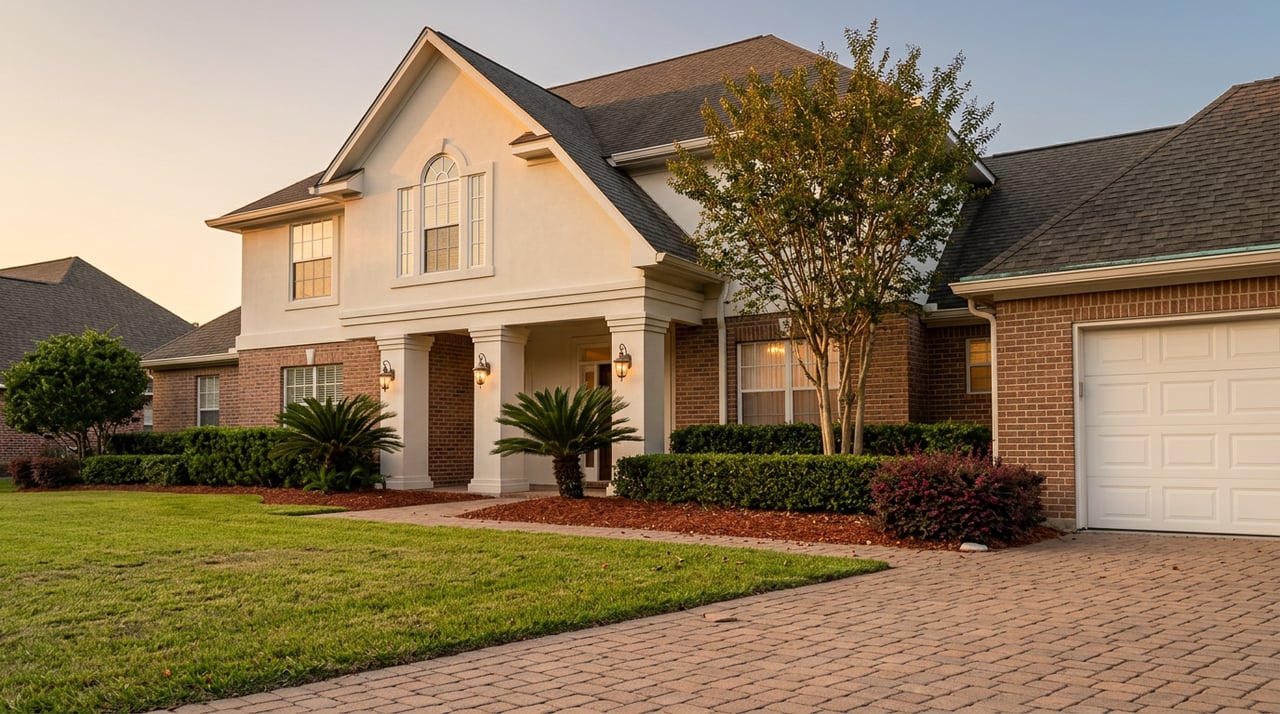
For example, if you want maximum control over the exterior, more yard space, or fewer association restrictions, a single-family home may be the better match. If your goal is to stay close to the ocean with less day-to-day upkeep, attached housing often offers a practical middle ground.
The key is to think beyond the photos. Consider how often you travel, how much maintenance you want to handle, how important outdoor space is to you, and whether shared amenities are a plus or just another cost.
Flood and stormwater matter
In Atlantic Beach and Neptune Beach, coastal location is part of the appeal, but it also means flood risk should be part of your decision. Atlantic Beach maintains floodplain and stormwater programs, and Neptune Beach also uses its own floodplain-management process and FEMA-based flood map framework.
That does not mean every property has the same level of risk. It does mean you should take drainage, flood zones, and insurance requirements seriously before you buy.
This is especially important with attached coastal homes, where your personal policy, association coverage, and any flood requirements can all affect your monthly costs and long-term comfort level. A home that looks easy to maintain can still come with important insurance questions behind the scenes.
Review the association carefully
If you are buying a condo or townhome, the association deserves close attention. In Florida, condominium communities are governed by Chapter 718, while homeowners’ associations are governed by Chapter 720.
Both legal frameworks require official records and budgets, and both give owners inspection rights to association records. HOA law also requires annual budgets that show estimated revenues and expenses, plus reserve-related disclosures when applicable.
For you as a buyer, this means dues should never be viewed in isolation. You will want to look at the full picture, including governing documents, current budget, reserve funding, and recent meeting history.
Questions to ask before you buy
When reviewing a condo or townhome community in Atlantic Beach or Neptune Beach, ask practical questions such as:
- What do the monthly or quarterly dues cover?
- Are there upcoming special assessments?
- What are the rental rules?
- What are the pet restrictions?
- How does parking work?
- What approval is needed for renovations?
- What insurance deductibles apply?
- Are there flood insurance requirements tied to the property or community?
These questions can tell you a lot about both cost and day-to-day lifestyle. They can also help you avoid surprises after closing.
Understand condo inspection rules
For larger condo buildings in Florida, building condition now plays a much bigger role in the buying process. State law requires a structural integrity reserve study at least every 10 years for each residential condominium association with a building that is three stories or higher.
A milestone inspection is also required by the year a building turns 30 years old, or 25 years old if the local enforcement agency determines that coastal conditions warrant the earlier timeline. Owners must receive the inspection summary, and reserve waivers can expose owners to special assessments.
If you are considering a condo in a qualifying building, this is not a minor detail. Ask whether the required inspections and reserve studies have been completed, what the findings were, and whether any major repair costs are expected.
Insurance is a major part of the math
Insurance deserves its own line item in your budget planning. According to Florida’s Chief Financial Officer, condo unit owners generally need an HO-6 policy, which covers personal property, liability, and some interior items, and it must include at least $2,000 of loss-assessment coverage.
The same state guidance notes that flood insurance is separate from homeowners insurance. In a coastal market like Atlantic Beach and Neptune Beach, that distinction matters.
A low-maintenance property is only truly low-stress if you understand what is and is not covered. Before you move forward, make sure you know how the association’s master policy and your personal policy work together.
How to choose the right fit
If you are deciding between a condo, a townhome, and a detached home, start with your daily priorities. The right answer is usually less about the label and more about your lifestyle, budget, and comfort with shared costs.
A condo may be the strongest match if you want convenience, shared amenities, and the closest possible beach lifestyle. A townhome may make more sense if you want more space and a more house-like feel while still keeping maintenance lighter than a stand-alone home.
If yard space, privacy, and fewer association rules top your list, a single-family home may still be your best option. In these beach communities, the real decision is often about how you balance access, maintenance, dues, reserves, insurance, and long-term flexibility.
Whether you are relocating, buying your next home, or looking for a lock-and-leave coastal property, local guidance can make the process much clearer. The team at RiverPoint Real Estate brings decades of Northeast Florida experience and a hands-on approach to helping you find the right fit in Atlantic Beach and Neptune Beach.
FAQs
What is the difference between condos and townhomes in Atlantic Beach and Neptune Beach?
- In local examples, condos often emphasize shared amenities and lower exterior maintenance, while townhomes more often offer a house-like layout with more interior space, garages, and outdoor areas such as patios or decks.
What should you review before buying a condo in Atlantic Beach or Neptune Beach?
- You should review the association budget, governing documents, reserve funding, recent meeting history, dues coverage, special assessments, and whether required inspections or reserve studies apply to the building.
Do condo owners in Atlantic Beach and Neptune Beach need flood insurance?
- Flood insurance is separate from homeowners insurance in Florida, and because both cities manage floodplain concerns through local programs and FEMA-based maps, you should confirm property-specific flood and insurance requirements before buying.
What insurance policy do condo owners need in Florida?
- Florida’s Chief Financial Officer says condo unit owners generally need an HO-6 policy that covers personal property, liability, and some interior items, with at least $2,000 in loss-assessment coverage.
Are condos or townhomes better for low-maintenance living near the beach?
- For many buyers, condos are the better match for lock-and-leave convenience and shared amenities, while townhomes can offer lighter maintenance than a detached home with more space and a more traditional residential feel.