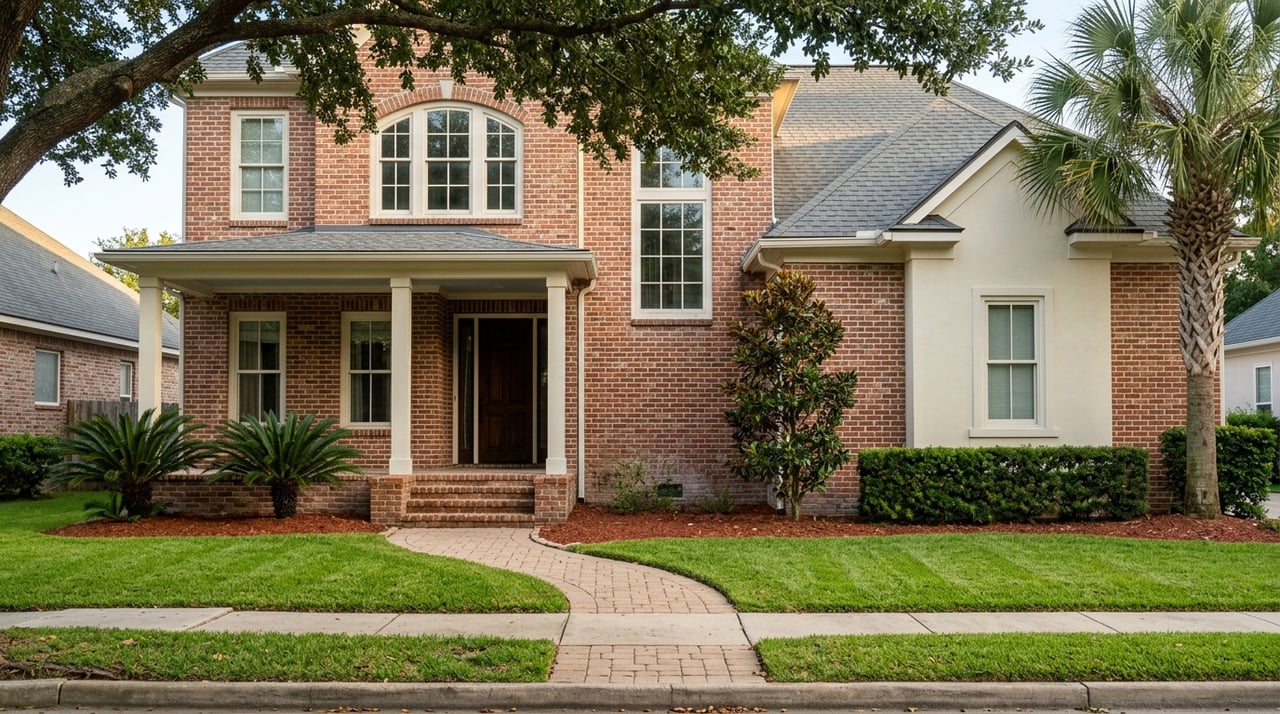
Have you ever walked through a neighborhood and felt like the homes, trees, and streets were all telling the same story? That is part of what makes Avondale stand out. If you are curious about what gives this Jacksonville neighborhood its lasting appeal, you will find that its charm comes from more than age alone. Let’s take a closer look at the planning, architecture, and everyday setting that make Avondale so distinctive.
Avondale’s charm starts with a plan
Avondale is not simply a collection of older homes. It is a planned historic neighborhood along the St. Johns River, about three miles southwest of downtown Jacksonville, with a strong concentration of residential construction from 1909 to 1936.
The Avondale subdivision that shaped the neighborhood as you know it today was recorded in 1921. From the start, the area was designed with sidewalks, utilities, curving roads, and green space in place before lots were sold. That early planning still shows up in the neighborhood’s cohesive feel.
Why the streets feel so inviting
In Avondale, the streetscape is a big part of the architectural experience. Curving streets, landscaped medians, and mature canopy trees help the neighborhood feel calm, established, and connected.
The setting adds another layer of character. Live oaks, magnolias, palms, azaleas, and dogwoods shape the view, while 15 small pocket parks help break up the residential blocks. Instead of feeling rigid or repetitive, the neighborhood feels designed to be experienced slowly.
The homes that define Avondale
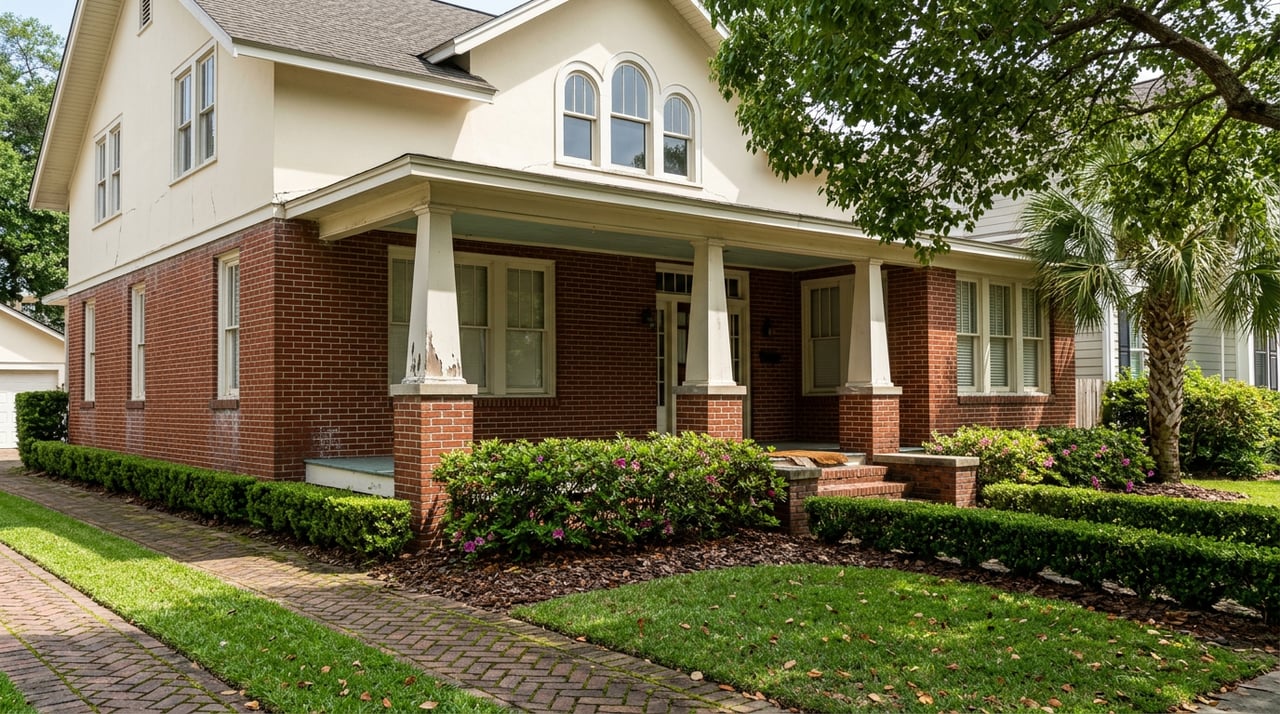
Avondale is overwhelmingly made up of detached one- and two-story single-family homes. The district includes more than 800 buildings, with 715 identified as historic or contributing and 92 as non-contributing.
That number matters because it shows how much of the neighborhood’s original character remains intact. When you walk or drive through Avondale, you are seeing a high-quality concentration of early twentieth-century residential design rather than a few scattered historic homes.
Architectural styles you’ll notice
One of Avondale’s most appealing features is its variety. While the neighborhood feels unified, the homes reflect a broad mix of architectural styles from the early twentieth century.
The most common style is Colonial Revival, followed by Bungalow. You will also see Prairie School, Tudor Revival, Mission, and Mediterranean-influenced forms such as Italian Renaissance, Spanish Eclectic, and Spanish Colonial Revival.
Colonial Revival homes
Colonial Revival is the most common style in Avondale. These homes often contribute to the neighborhood’s orderly and balanced appearance, which fits well with the planned layout of the streets and lots.
Bungalows and Prairie influence
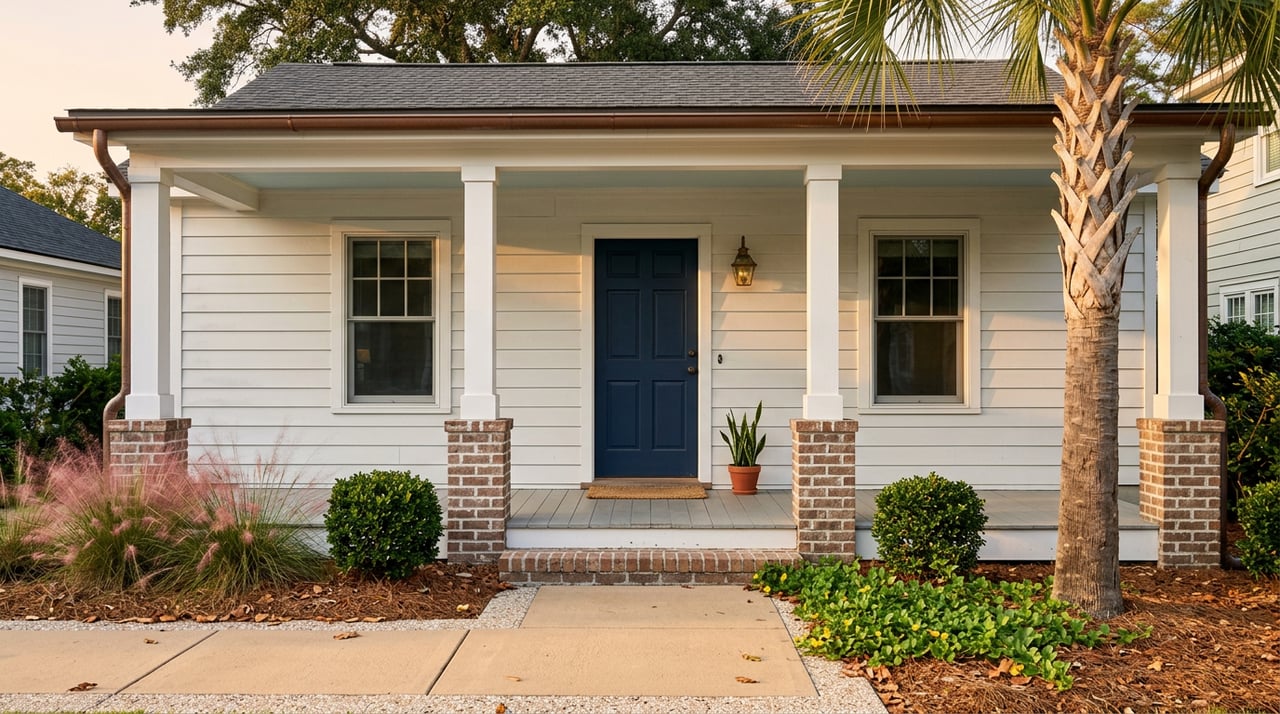
Bungalows are another strong presence in the district. Many present a narrower gable end to the street, which creates a slightly different rhythm from the broader front-facing homes around them.
Prairie School homes add yet another layer to the mix. Together, these styles keep the neighborhood visually interesting without losing its overall sense of harmony.
Tudor, Mission, and Mediterranean styles
Tudor Revival, Mission, and Mediterranean-influenced homes bring texture and variety to Avondale’s streets. Spanish Eclectic, Spanish Colonial Revival, and Italian Renaissance details help create the warm, masonry-rich look many people associate with historic Jacksonville neighborhoods.
Materials and design details matter
Avondale’s homes are tied together not only by style but also by materials. Brick, tile, stucco, and coquina concrete block are common throughout the district.
Lot patterns also help create a consistent look. Many homes share common setbacks and generous lots, and the broad side of most houses faces the street. Those repeating details give the neighborhood a comfortable visual flow, even as the styles change from block to block.
Preservation helps protect the look
A big reason Avondale still feels so intact is that its historic character is formally protected. The neighborhood is both a National Register district and part of Jacksonville’s local historic district system.
In practical terms, local designation is what triggers review of exterior changes. Once a property is designated locally, exterior alterations generally require an approved Certificate of Appropriateness before work starts.
What that means for renovations
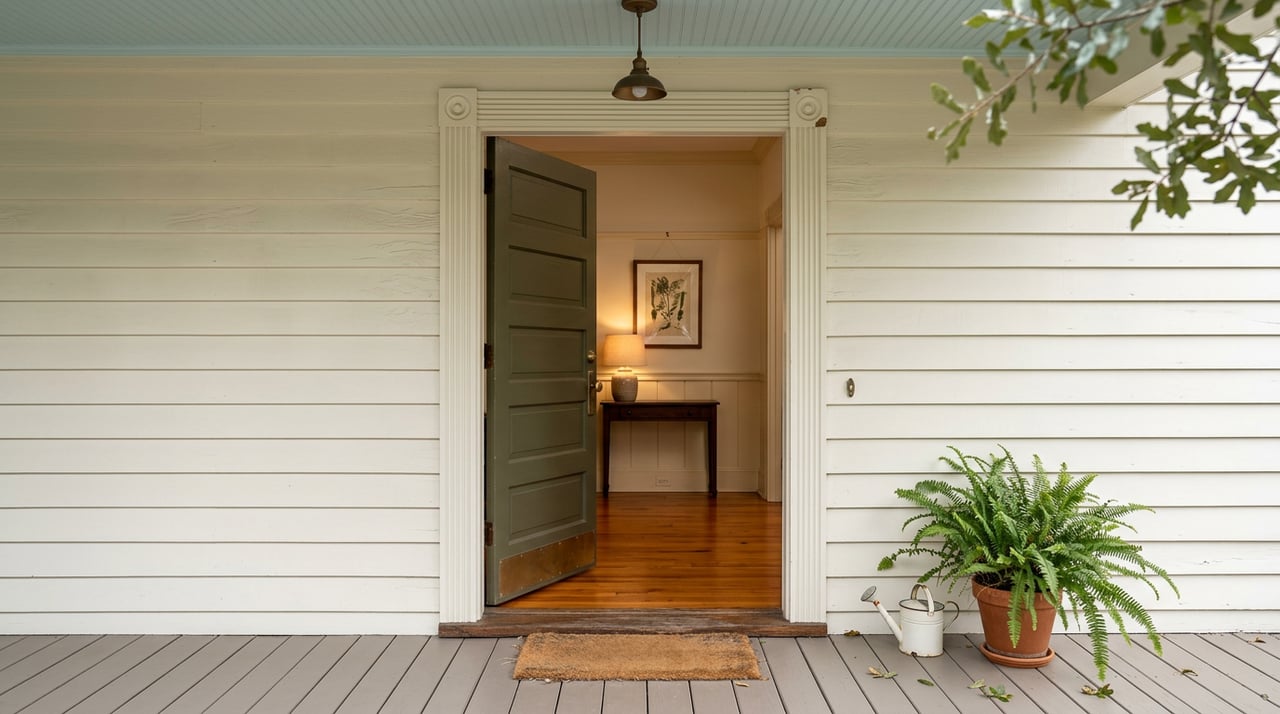
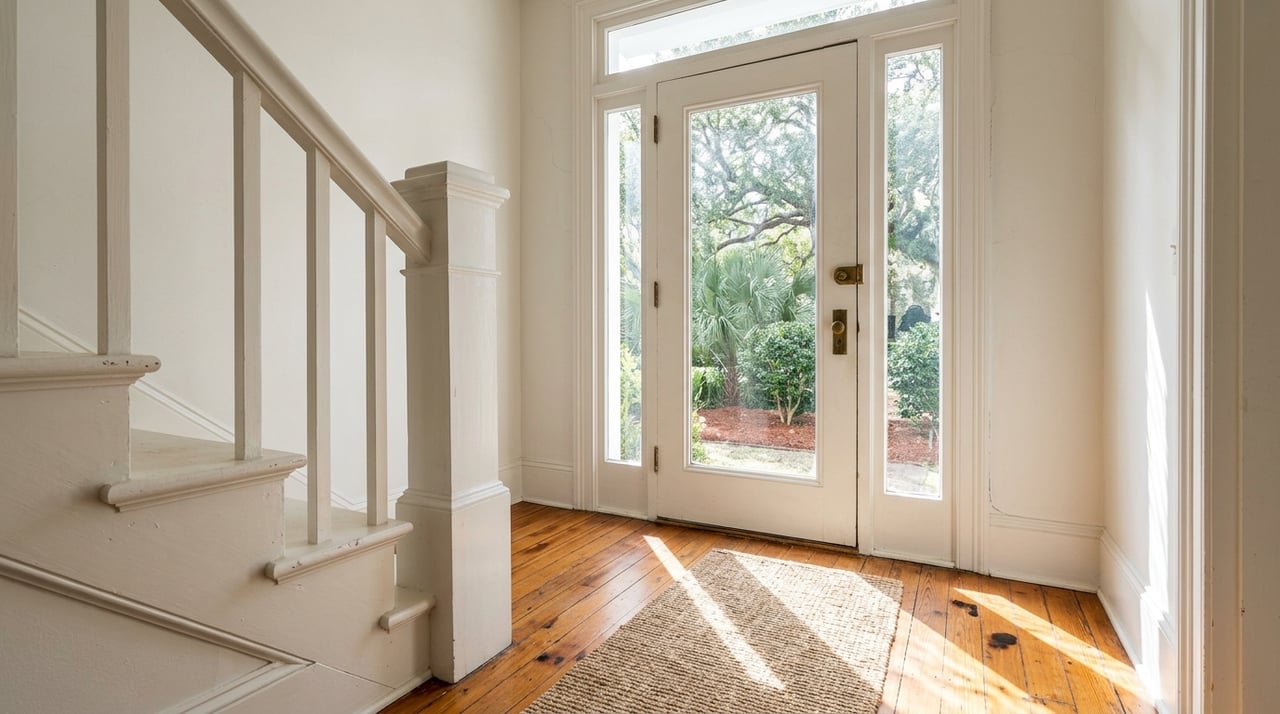
If you are thinking about buying and updating a home in Avondale, the opportunity is often about thoughtful modernization rather than starting from scratch. The local review process is designed to guide additions, new construction, and demolitions in a way that keeps the neighborhood’s overall character intact.
That can be a real advantage if you value consistency and long-term neighborhood identity. It helps preserve contributing structures, original streetscape patterns, and the architectural details that make Avondale recognizable.
Lifestyle beyond the architecture
Architecture may draw you in, but daily life is part of Avondale’s appeal too. The neighborhood’s river-adjacent setting adds scenic value and connects residents to parks and outdoor spaces nearby.
Yacht Basin Park sits on the west bank of Willowbranch Creek as it enters the St. Johns River. Boone Park in the Avondale area offers tennis, pickleball, a playground, picnic shelters, restrooms, and parking, giving you a practical mix of recreation and convenience.
Walkable spots and local rhythm
Everyday activity in Avondale centers around St. Johns Avenue. The Shoppes of Avondale are known as a walkable, tree-lined collection of locally owned businesses, which adds to the neighborhood’s lived-in and approachable feel.
The broader Riverside/Avondale area also connects you to dining, antique shopping, boutiques, and bars. Nearby destinations such as Five Points, the Cummer Museum of Art & Gardens, Memorial Park, and the Riverside Arts Market help Avondale feel part of a larger historic and cultural district.
Why Avondale feels different
Many neighborhoods have attractive homes. Avondale stands apart because its street pattern, mature canopy, architectural variety, and preservation framework all work together.
That combination creates a place where historic architecture, river proximity, and daily convenience overlap. For buyers who want character and a strong sense of place, Avondale offers a neighborhood experience that feels carefully shaped rather than accidental.
If you are exploring Avondale for your next move, local context matters. The team at RiverPoint Real Estate brings neighborhood insight, steady guidance, and a relationship-first approach to help you make sense of Jacksonville’s historic communities.
FAQs
What makes Avondale architecturally unique in Jacksonville?
- Avondale stands out because it was planned as a historic neighborhood with curving roads, green space, mature trees, and a high-quality concentration of homes built mainly between 1909 and 1936.
What home styles are common in Avondale?
- The most common styles in Avondale are Colonial Revival and Bungalow, along with Prairie School, Tudor Revival, Mission, Italian Renaissance, Spanish Eclectic, and Spanish Colonial Revival.
What types of homes are most common in Avondale?
- Avondale is made up mostly of detached one- and two-story single-family homes, and much of the district’s historic housing stock remains intact.
What should buyers know about renovating a home in Avondale?
- In Jacksonville’s local historic district system, exterior changes to locally designated properties generally require an approved Certificate of Appropriateness before work begins.
What adds to the lifestyle appeal of Avondale?
- Avondale combines historic homes with river proximity, pocket parks, Boone Park amenities, Yacht Basin Park, and walkable access to the Shoppes of Avondale and the broader Riverside/Avondale area.