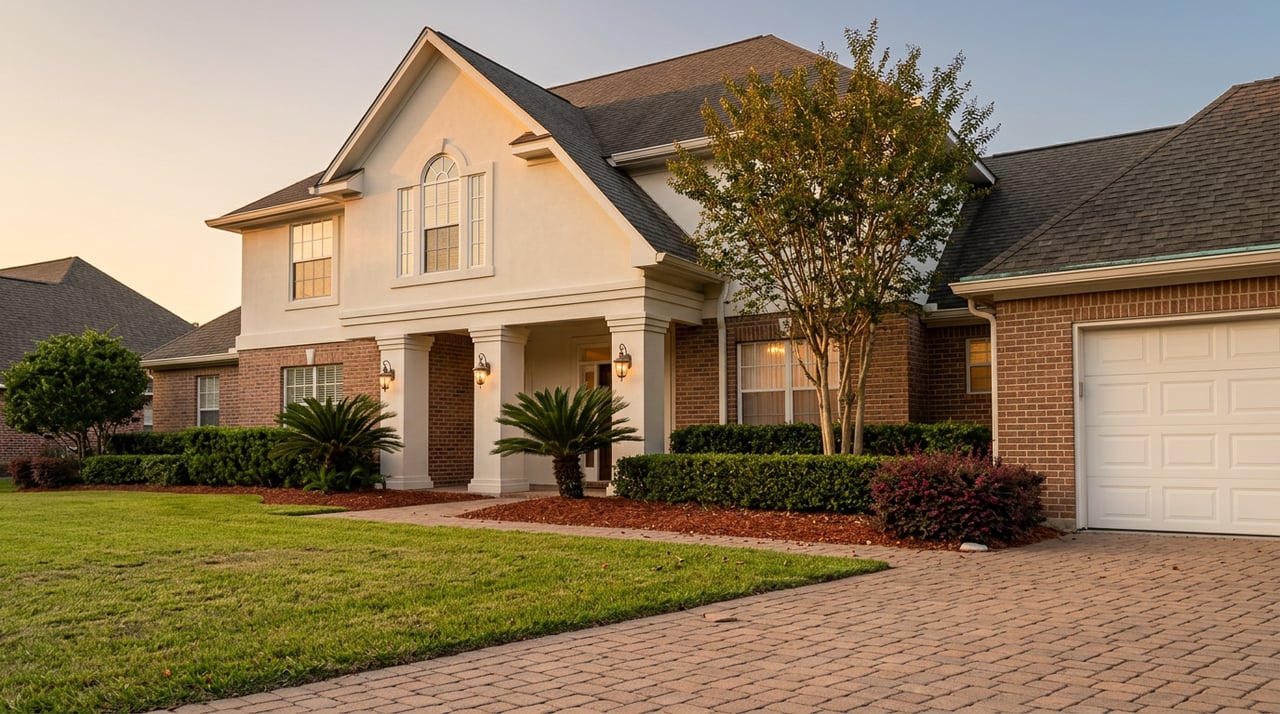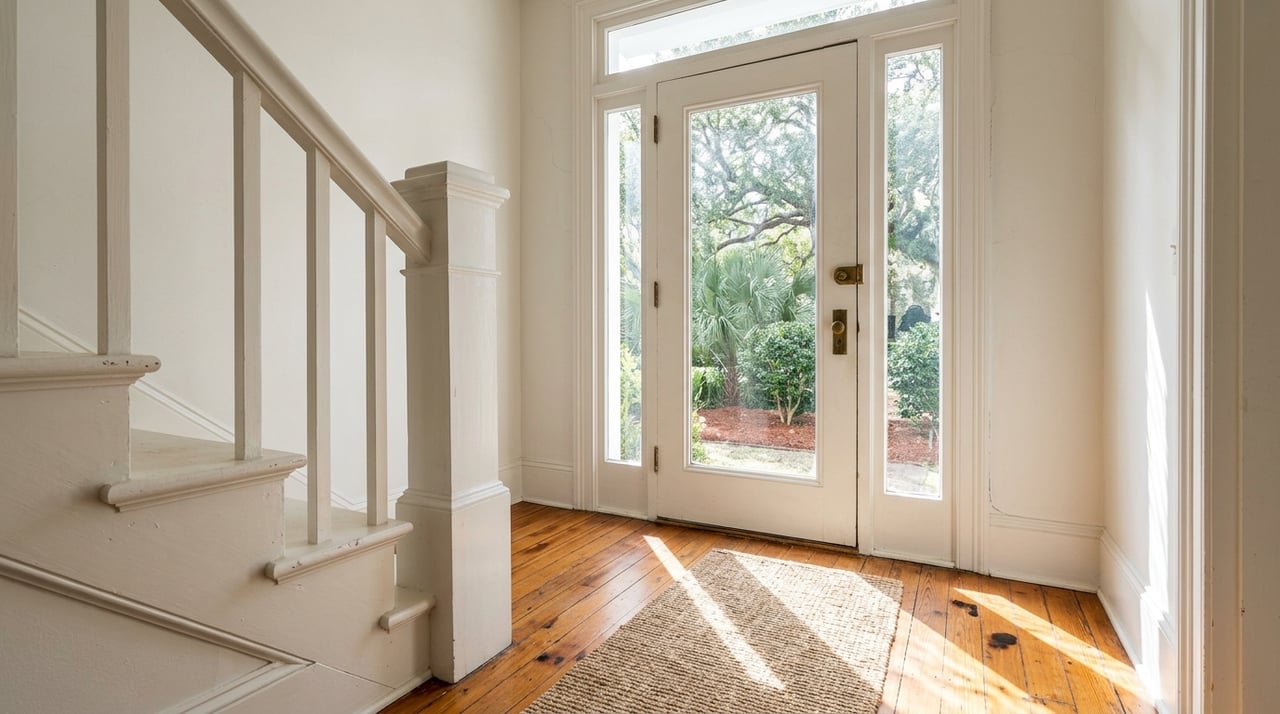
If you have your eye on a Riverside historic home, you are probably drawn to more than square footage. These homes offer charm, craftsmanship, and a strong sense of place, but they also come with extra considerations that can affect your budget, timeline, and renovation plans. Before you make an offer, it helps to understand what is different about buying an older home in one of Jacksonville’s best-known historic areas. Let’s dive in.
Riverside Historic Homes Have Their Own Rules
One of the biggest things to know is that not every "historic" label means the same thing. In Riverside and Avondale, some homes are inside locally designated historic districts, while others may be part of a National Register district.
That difference matters because local district status is what triggers city review for exterior work. According to the City of Jacksonville, if a property is in a local historic district, all exterior changes require an approved Certificate of Appropriateness, or COA, before work begins, even for non-contributing properties or homes not visible from the street.
By contrast, National Register status does not regulate changes by itself. That is why one of the first steps before buying is to check the property address through the City’s historic preservation address search rather than rely on neighborhood reputation alone.
Why the Address Search Comes First
If you are planning to repaint, replace windows, rebuild a porch, add an addition, or update exterior materials, you need to know what rules apply before closing. A quick address check can help you avoid buying a home with renovation plans that may not fit local guidelines.
This is especially important in Riverside, where buyers often fall in love with original details and then start imagining updates right away. Knowing the district status early helps you plan with fewer surprises.
What Riverside Homes Typically Look Like
Riverside and Avondale have a wide mix of older architecture, but the area is especially known for homes built from the late 1800s through the 1930s. City guidelines describe the neighborhood housing stock as mainly bungalow, Prairie School, Colonial Revival, and Mediterranean-influenced styles.
In general, Riverside tends to be more bungalow-heavy, while Avondale often leans more formal in style. That variety is part of the appeal, but it also means no two inspections feel exactly the same.
Details Buyers Should Expect
Many homes in the area include character-defining features such as:
- Wood siding or wood shingles
- Brick-pier or continuous brick foundations
- Hip roofs with dormers
- Full porches or verandas
- Original window proportions
These features give historic homes their look and feel, but they also tend to need thoughtful upkeep. In a local historic district, those details may also shape what changes the city will approve.
Inspect Water, Roof, and Drainage Carefully
In an older home, moisture is often the issue behind the issue. A roof problem can lead to ceiling stains, wood rot, mold, damaged framing, and repair costs that grow quickly.
That is why the roof should be one of your top inspection priorities. You will want a close look at the roof covering, flashing, gutters, downspouts, attic ventilation, ceilings, and any signs of chronic dampness.
Why Moisture Control Matters So Much
EPA guidance notes that moisture problems often start with leaks, poor grading, or downspout issues. In practical terms, a beautiful historic exterior does not tell you whether water has been moving where it should.
If major roof issues show up, your lender may require repairs before closing or may require an escrow set-aside. That can affect both your closing timeline and your cash needed to complete the purchase.
Check the Foundation and Termite Risk
Florida buyers already know that pests and moisture matter, and that is even more true with older homes. In Riverside, many properties have raised or brick-pier foundations, which can make it easier to inspect certain areas but can also reveal settlement, rot, or wood-to-soil contact.
You should pay close attention to foundation movement, damaged porch members, soft wood, signs of previous repairs, and any evidence of termite treatment. Ask questions if you see patched areas or replaced structural wood, especially around porches and crawlspace-adjacent areas.
What to Review Before You Buy
A smart due diligence plan may include reviewing:
- The general home inspection findings
- Any wood-destroying-organism reports
- Evidence of past termite treatment or repair
- Signs of leaks near the foundation
- Drainage patterns around the home
In a historic home, a small issue can be manageable if you understand it early. A hidden issue discovered late can change the math of the purchase.
Original Windows and Porches Need Special Attention
Windows and porches are two of the most common decision points for historic-home buyers. They are also two areas where condition, maintenance, and district rules often intersect.
Jacksonville’s Riverside/Avondale guidelines treat windows as important character-defining features. The guidelines generally discourage changing window opening sizes or using incompatible replacement materials.
Can You Replace the Windows?
Sometimes, yes, but not always in the way buyers first imagine. The local guidelines prefer repair or compatible replacement over changes that alter the look or proportions of the original windows.
That means window plans should be discussed early if the home is in a local district. If your budget assumes a full modern window swap, you will want clarity on what may be allowed before you move forward.
Porches Often Need Ongoing Care
Porches are a major part of the streetscape in Riverside, and they often need frequent maintenance. The city guidelines prefer repair over wholesale replacement and discourage enclosing porches with non-transparent materials.
If a porch is sagging, patched, or showing rot, it deserves a careful review. What looks like a cosmetic project may involve structural work, drainage correction, or approval requirements.
Older Systems May Need Hidden Upgrades
A home can look solid and still need meaningful work behind the walls. Plumbing, electrical, heating, and air conditioning systems are common upgrade areas in older properties.
HUD identifies plumbing, heating, air conditioning, electrical systems, roofing, siding, gutters, porches, and foundations as common rehabilitation items in older homes. In other words, the expensive stuff is often not the part you notice during a showing.
The Good News About Many Riverside Layouts
Jacksonville’s historic guidelines note that the raised foundations and generous attic spaces common in Riverside and Avondale can make it easier to route ductwork and new lines with less visual disruption. That does not make upgrades cheap, but it can make them more practical than buyers expect.
Still, you should ask about the age and condition of major systems and whether any updates were permitted and professionally completed. A beautiful kitchen does not always mean the electrical panel or drain lines were addressed.
Lead Paint Disclosure Still Matters
If the house was built before 1978, ask for the lead disclosure packet. Federal law requires disclosure of known lead-based paint hazards for most pre-1978 housing, and homes built before 1940 are especially likely to contain lead paint.
This is especially relevant around older painted windows because opening and closing them can create friction that releases lead dust. If you are planning repairs or renovations, that is a detail worth understanding early.
Know the Approval Timeline Before You Plan Work
If you want to make changes soon after closing, timing matters almost as much as cost. In Jacksonville, administrative COAs can take about one to two weeks, while projects requiring Jacksonville Historic Preservation Commission review take at least a month from submittal to signed approval.
Projects such as demolition of contributing structures, new construction, and two-story additions or garages typically go to the Commission. So if your post-closing plan includes a major exterior project, build that review period into your expectations.
Interior Work vs Exterior Work
Many buyers are relieved to learn that interior-only work usually does not require a COA. However, if the work affects exterior features such as windows, exterior doors, or a chimney, approval may still be needed.
That distinction is important if you are buying a fixer-upper and hoping to tackle improvements in phases. The inside may move faster than the outside.
Budget for Maintenance, Not Just Renovation
One of the smartest ways to buy a Riverside historic home is to think beyond the purchase price. Older homes often reward careful ownership, but they usually need a regular maintenance reserve.
Jacksonville’s guidelines highlight recurring upkeep needs for porches, wood siding, and roof drainage systems. That means your budget should account for ongoing exterior maintenance, not only one-time upgrades after closing.
A Better Historic-Home Budget Mindset
Try to separate your costs into three buckets:
- Immediate repairs needed for safety, function, or financing
- Short-term improvements you want after closing
- Ongoing maintenance for exterior materials and weather protection
That approach helps you avoid spending your full budget on cosmetic work while missing the systems and surfaces that protect the house.
A Local Tax Incentive May Help
If the property is locally designated and you are planning a substantial approved rehabilitation project, Jacksonville offers a Historic Preservation Property Tax Exemption worth knowing about. The exemption applies to the added value from an approved qualified improvement project for 10 years and affects only the City of Jacksonville portion of the tax bill.
There is one key catch: the application must be approved before work begins. If you think your renovation may qualify, that is something to research before the first contractor starts.
Use the Right Local Resources
Historic homes are easier to navigate when you use local guidance from the start. For Riverside buyers, the most practical public resources include the City of Jacksonville Historic Preservation Section, Riverside Avondale Preservation resources, and the Florida Division of Historical Resources.
When it comes to contractors, the City recommends verifying licenses through the Duval County Contractor Licenses Search and the state DBPR/MyFloridaLicense portal, including complaint history. For an older home, license status is only part of the picture. You also want someone with real experience working with historic materials and preservation rules.
Buying Riverside With Fewer Surprises
A Riverside historic home can be a wonderful purchase if you go in with clear eyes. The charm is real, but so are the extra layers of inspection, approval, maintenance, and planning.
When you understand district rules, inspect the right systems, and budget for the home’s long-term needs, you put yourself in a much stronger position to buy with confidence. If you are thinking about buying in Riverside or anywhere in Jacksonville’s historic neighborhoods, the team at RiverPoint Real Estate can help you navigate the details with local insight and a steady hand.
FAQs
How do I know if a Riverside home is in a local historic district?
- Use the City of Jacksonville address search and map layers before making assumptions based on the neighborhood name or the age of the house.
Do all Riverside historic-home projects need city approval?
- No. Interior-only work usually does not need a COA unless it affects exterior features such as windows, exterior doors, or a chimney.
Can windows be replaced in a Riverside historic district?
- Sometimes, but the local guidelines prefer repair or compatible replacement and generally discourage changing window openings or using incompatible materials.
What repairs most often surprise Riverside historic-home buyers?
- Roof issues, plumbing, electrical, HVAC, termite damage, and moisture-related repairs are among the most common hidden-cost categories.
Is there a Jacksonville tax incentive for historic-home improvements?
- Yes. Jacksonville offers a Historic Preservation Property Tax Exemption for locally designated historic properties that complete an approved qualified improvement project, and the application must be approved before work begins.