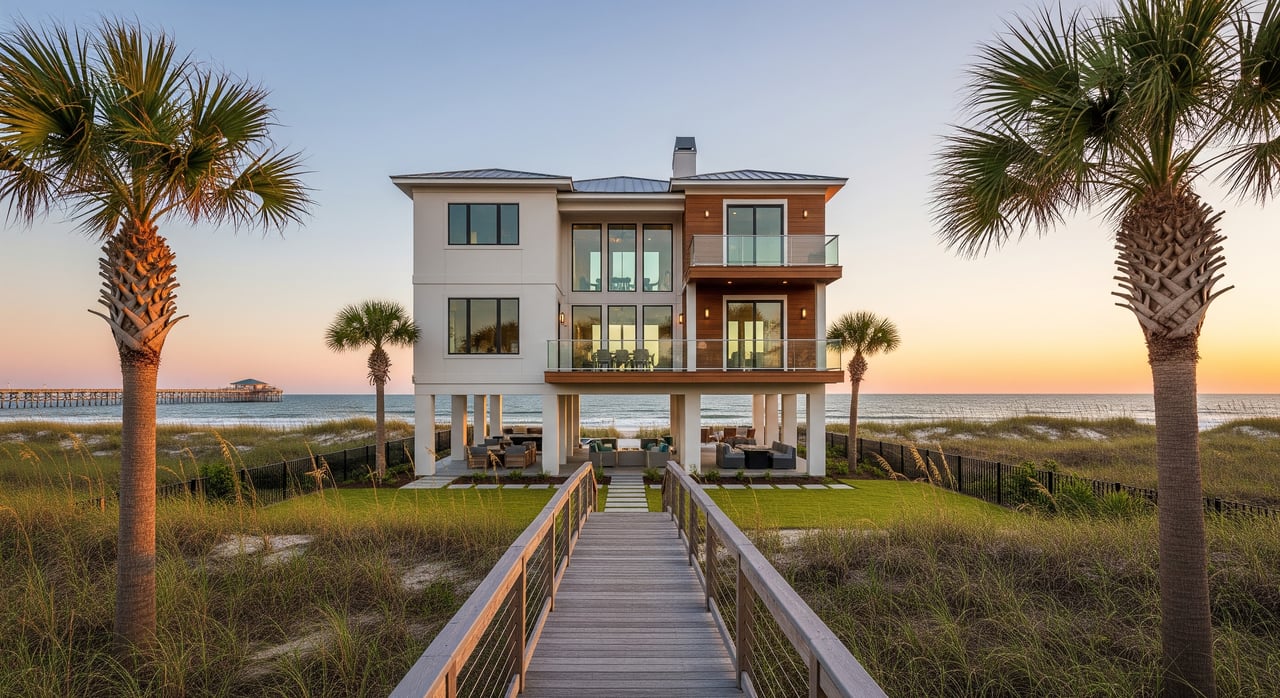
Imagine waking up to the sound of waves, grabbing coffee by the pier, and still being a reasonable drive from downtown Jacksonville. If you are considering a move to Jacksonville Beach, you are not alone. Many buyers are drawn to the coastal lifestyle, year-round sun, and easy access to work and play. In this guide, you will learn what life feels like here, which home types you will find, and the key logistics to check before you buy. Let’s dive in.
Why Jacksonville Beach draws buyers
Jacksonville Beach sits on Florida’s northeast coast within Duval County and the greater Jacksonville metro. You get the benefits of a small coastal city with access to big-city jobs, shopping, health care, and the airport. It is one of the Beaches communities linked by A1A along the shore.
Buyers often come for the beach first. You will find public access points, seasonal lifeguards in certain areas, and a surf culture that is welcoming to newcomers. Dining, live music, and local shops cluster around Beaches Town Center and along the beachfront corridors, which helps keep life lively through all seasons.
Florida also offers statewide perks. A warm climate and no state income tax appeal to many residents and second-home owners. Compared with many coastal metros, day-to-day costs can feel more manageable, though prices here are usually higher than inland neighborhoods.
Day-to-day life by the ocean
Beach access and activities
The shoreline is public with multiple access points and parking areas. You can swim, surf, paddleboard, or fish from shore or the pier. Expect more crowds and a festive vibe during peak seasons and holidays, along with community events on and near the beach.
Dining and Town Center
You will find a dense cluster of restaurants, coffee shops, and bars near Beaches Town Center, plus casual beachfront spots up and down A1A. The calendar often includes markets, concerts, and seasonal festivals that shape both daytime and nightlife.
Parks and recreation
Parks, athletic fields, and playgrounds are spread across the city, and nearby estuaries make boating and kayaking popular. Surf shops offer lessons, and multiuse paths support walking and biking for short trips.
Health care and services
Primary and urgent care options are close by, with larger hospital systems and specialists a short drive away in the Jacksonville metro. You can handle most routine needs within minutes.
Walkability and lifestyle trade-offs
Parts of Town Center and the beachfront are fairly walkable, but many errands still require short drives. Bike friendliness varies by street and season. Parking can be tighter near the beach during peak times.
Housing options and what to expect
Common home types
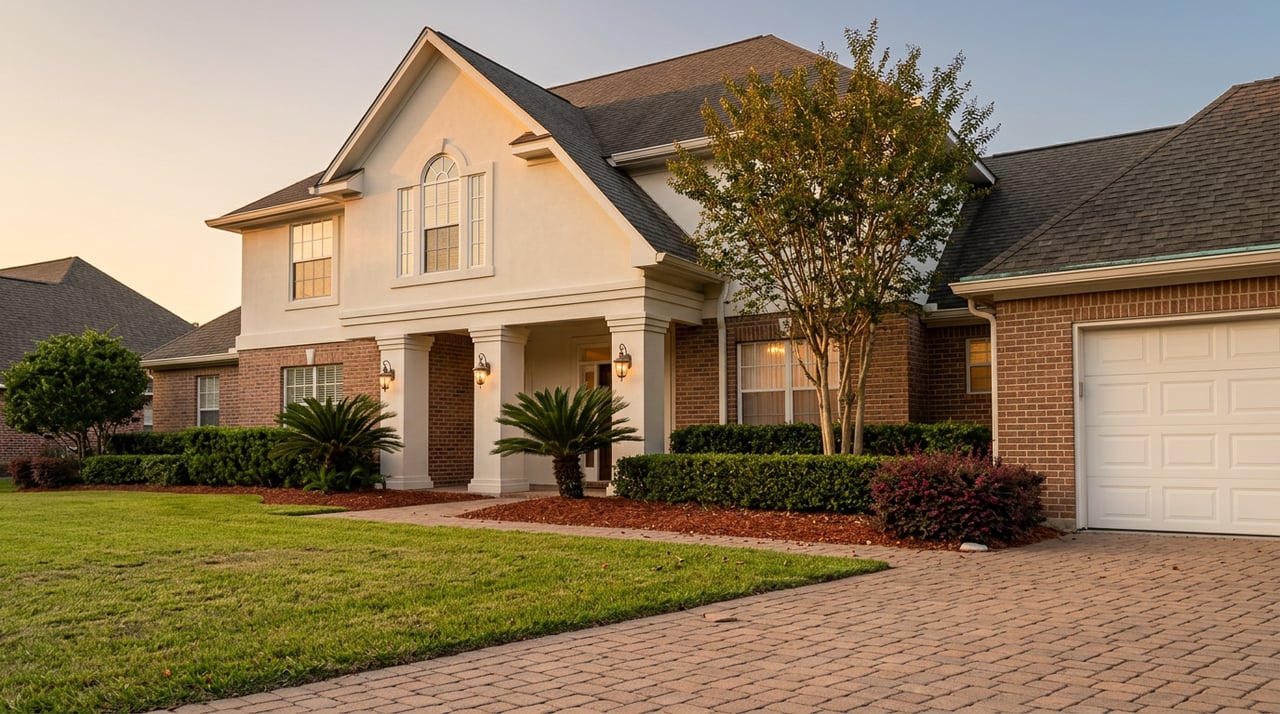
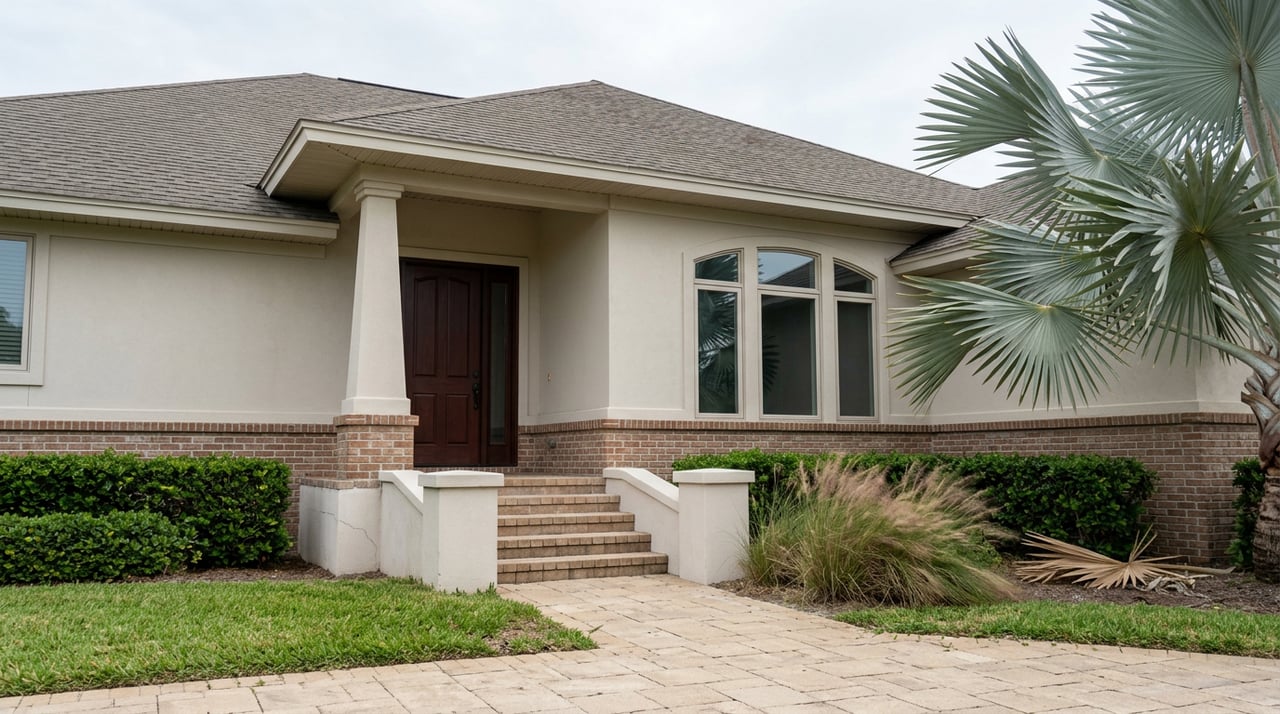
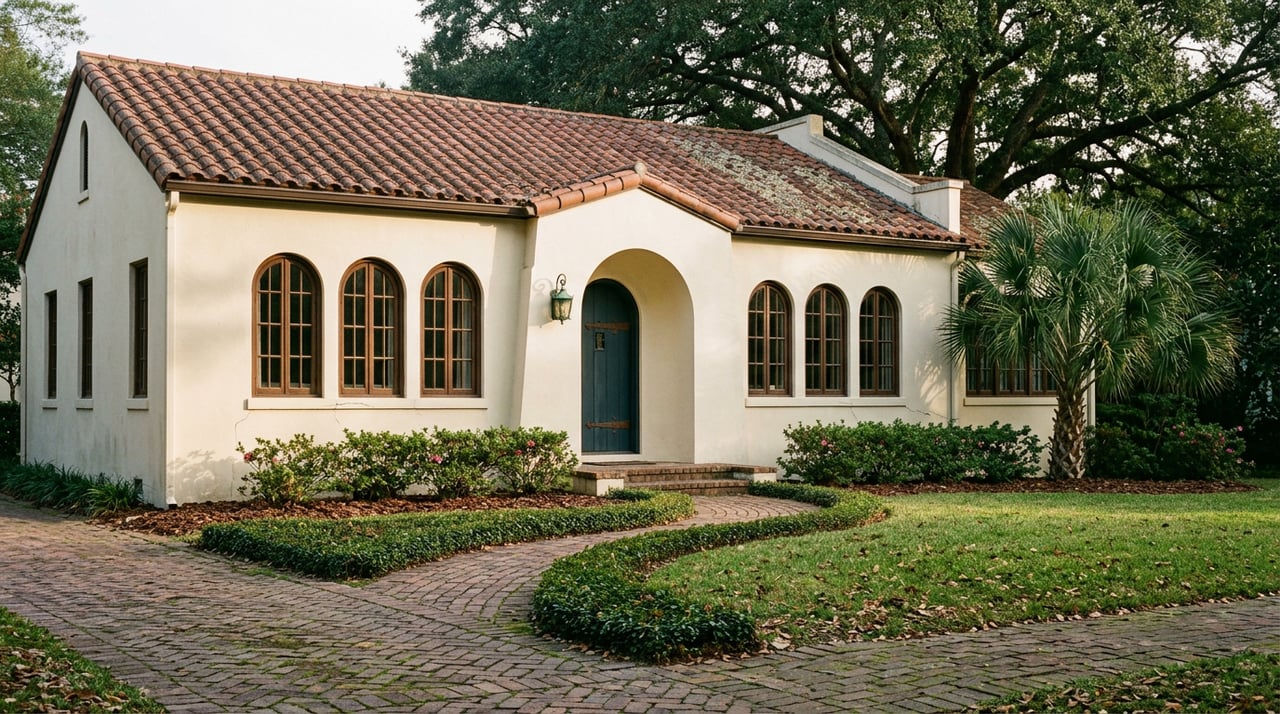
You will see beach cottages and historic bungalows, classic single-family homes from many eras, and newer infill builds that replace older structures. Low- to mid-rise condos line and border the beachfront. Townhomes and duplexes exist but are less common than single-family and condo options.
Pricing dynamics
Jacksonville Beach typically carries a premium over many inland Jacksonville neighborhoods because of coastal demand and proximity to the ocean. Prices shift block by block based on distance to water, views, lot size, age, and condition. For up-to-date numbers like median prices or days on market, plan to review current data during your search with a local agent and live market sources.
HOA and condo associations
Many condos and some planned communities have homeowner associations. Before you buy, review documents, fees, reserves, recent special assessments, and insurance requirements. Strong reserves and clear maintenance plans help protect your investment and future expenses.
Maintenance on the coast
Salt air, humidity, and wind increase exterior wear. Plan for more frequent paint, attention to metal fixtures and fencing, and diligent upkeep of decks and railings. Waterfront or near-water properties can also require seawall or dune-related care. A realistic maintenance budget is key.
Insurance, inspections, and financing
Insurance basics for coastal homes
Many buyers need a package that includes homeowners insurance with wind or hurricane coverage, plus flood insurance if the home is in a FEMA flood zone or your lender requires it. Florida’s insurance market has seen changes in recent years, so you should request quotes early and budget conservatively for premiums and deductibles. Wind-mitigation features can help with discounts.
Flood zones and elevation
FEMA flood maps determine lender requirements for flood insurance. Jacksonville Beach has properties in or near mapped flood zones. Ask for an elevation certificate if available and confirm a flood zone determination during due diligence. These details influence both insurance and renovation permitting.
Inspections to prioritize
Coastal conditions make a thorough inspection essential. Pay close attention to roof age and anchoring, HVAC corrosion, plumbing and electrical system age, and any signs of water intrusion or prior flooding. If you are considering a waterfront property with a bulkhead or seawall, have its condition evaluated. Wind-mitigation inspections are useful in Florida and can affect insurance costs.
Short-term rentals and rules
Some owners use condos and homes as short- or long-term rentals. Local ordinances, licensing, and HOA rules vary in Jacksonville Beach. If rental income is part of your plan, verify the latest city rules and any association restrictions before you buy.
Getting around and daily logistics
Driving and commutes
A1A connects the Beaches communities along the coast. J. Turner Butler Boulevard (JTB) is the main east-west expressway that links to I-95 and downtown. I-295 offers additional regional access. Travel times depend on time of day and season; expect heavier traffic on holiday weekends and during tourist peaks.
Transit, bikes, and parking
The Jacksonville Transportation Authority operates bus routes that serve the Beaches, though service levels vary. There is no regular commuter rail to the Beach. Biking works well for short trips near Town Center and along some local streets. Parking can be challenging near the beach during peak hours, and some residential areas use permits or restrictions.
Work-from-home and internet
Fiber and high-speed cable internet are available in many parts of the Beaches, but coverage can vary by block. If reliable broadband is essential, confirm provider options and speeds early in your search.
Climate, seasons, and storm readiness
Weather patterns and hurricane season
Jacksonville Beach has a humid subtropical climate with hot, humid summers and mild winters. Afternoon thunderstorms are common in warm months. Hurricane season runs June 1 to November 30, so plan for storm preparation, evacuation routes, and insurance that fits your risk profile.
Erosion, renourishment, and shoreline
Flood risk, storm surge, and sea-level rise are regional realities. Beach renourishment and coastal management projects play a role in long-term shoreline health. If you are considering a near-shore or beachfront property, ask about recent renourishment work and any local shoreline management plans.
Practical buyer checklist
Use this list to keep your search focused and efficient:
- Confirm FEMA flood zone designation and request a flood insurance quote.
- Ask for a recent property survey and any elevation certificate.
- Review HOA or condo documents, financial reserves, insurance requirements, and any special assessment history.
- Check building permits and renovation history for the roof, HVAC, and structural updates.
- Schedule a full home inspection, wind-mitigation inspection, and consider a mold or moisture assessment if the home is older or has a history of water exposure.
- If waterfront, evaluate seawall or bulkhead condition and ask about recent beach renourishment nearby.
- Verify short-term rental rules and occupancy ordinances if rental income matters to you.
- Confirm internet providers and speeds for your address.
- Check neighborhood parking rules and proximity to public beach access.
How RiverPoint helps you buy with confidence
Buying at the beach is as much about lifestyle fit as it is about the home. You want solid guidance on insurance, flood zones, inspections, and HOA details, plus a feel for commute times and seasonal patterns. That is where local expertise matters.
RiverPoint Real Estate has served Northeast Florida since 1983 with a hands-on, relationship-first approach. Our long-tenured agents know the Beaches block by block, and our integrated services span buyer representation, relocation support, leasing, and property management for investor clients. We stay in the boat with you from first tour to closing and beyond.
If Jacksonville Beach is calling, let us help you plan your move with clarity and confidence. Start a conversation with RiverPoint Real Estate.
FAQs
How far is Jacksonville Beach from downtown Jacksonville?
- Typical off-peak drives via JTB often take under an hour, but times vary with traffic, season, and events. Test your commute during your usual travel window.
Do I need flood insurance in Jacksonville Beach?
- It depends on FEMA flood zone mapping and your lender’s requirements. Confirm the specific property’s zone, elevation, and get quotes early in your search.
What housing types are common in Jacksonville Beach?
- You will find beach cottages, single-family homes from multiple eras, newer infill builds, and low- to mid-rise condos along and near the ocean.
Are short-term rentals allowed in Jacksonville Beach?
- Rules vary by property type and location, and HOAs may have their own limits. Verify city ordinances and association rules before assuming nightly rentals are allowed.
What maintenance costs more near the ocean?
- Expect more frequent exterior paint, attention to metal fixtures due to salt air, and proactive roof and deck upkeep. Waterfront properties may require seawall care.
How is public transit to and from the Beach?
- JTA bus routes serve the Beaches with varying schedules. There is no direct commuter rail. Many residents rely on A1A, JTB, and I-95 for daily travel.