Love tree‑lined streets, front porches, and a neighborhood that feels like its own small town within the city? If Riverside‑Avondale is on your list, you are in good company. Many Jacksonville buyers are drawn to its historic homes, local shops, and riverfront parks, yet still want clear guidance on costs, rules, and lifestyle fit. In this guide, you will learn how the neighborhood is laid out, what homes typically look like and cost, where locals spend time, and what to check before you buy. Let’s dive in.
Why buyers choose Riverside‑Avondale
Riverside‑Avondale pairs historic character with daily convenience. You get early‑20th‑century architecture, a vibrant dining and retail scene, and quick access to Downtown Jacksonville. The neighborhood is supported by an active preservation nonprofit, Riverside Avondale Preservation (RAP), which helps maintain the area’s charm and community feel. You can explore the neighborhood’s background and community resources on the Riverside Avondale Preservation site.
Map and history at a glance
Riverside‑Avondale sits just west and southwest of Downtown along the St. Johns River. For orientation, many maps describe its edges as I‑10 and I‑95 to the north, the St. Johns River to the east, and Fishweir Creek or Roosevelt Boulevard to the west. For a big‑picture overview, the American Planning Association highlights the area’s mix of homes, parks, and business districts on its Great Places profile.
Two National Register historic districts cover much of Riverside and Avondale. Local protections and design guidelines help preserve the neighborhood’s character, and RAP offers homeowner resources and history on its Building a Legacy page.
Homes and architecture
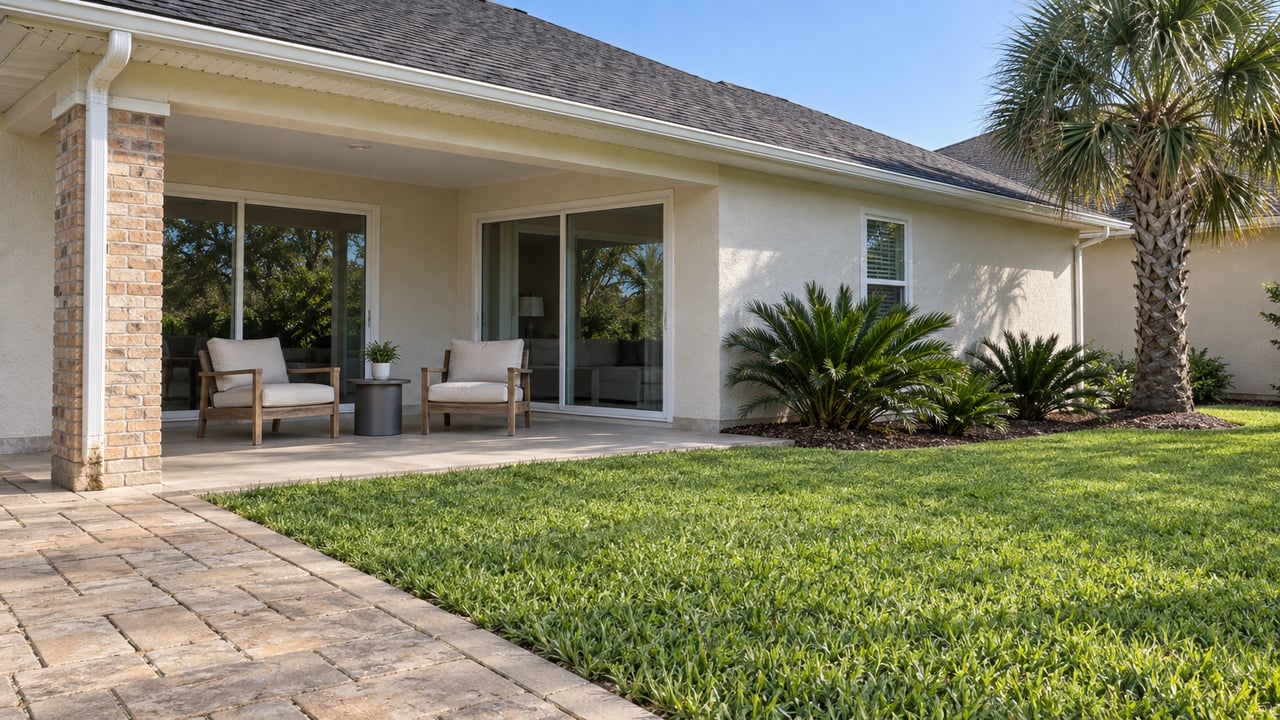
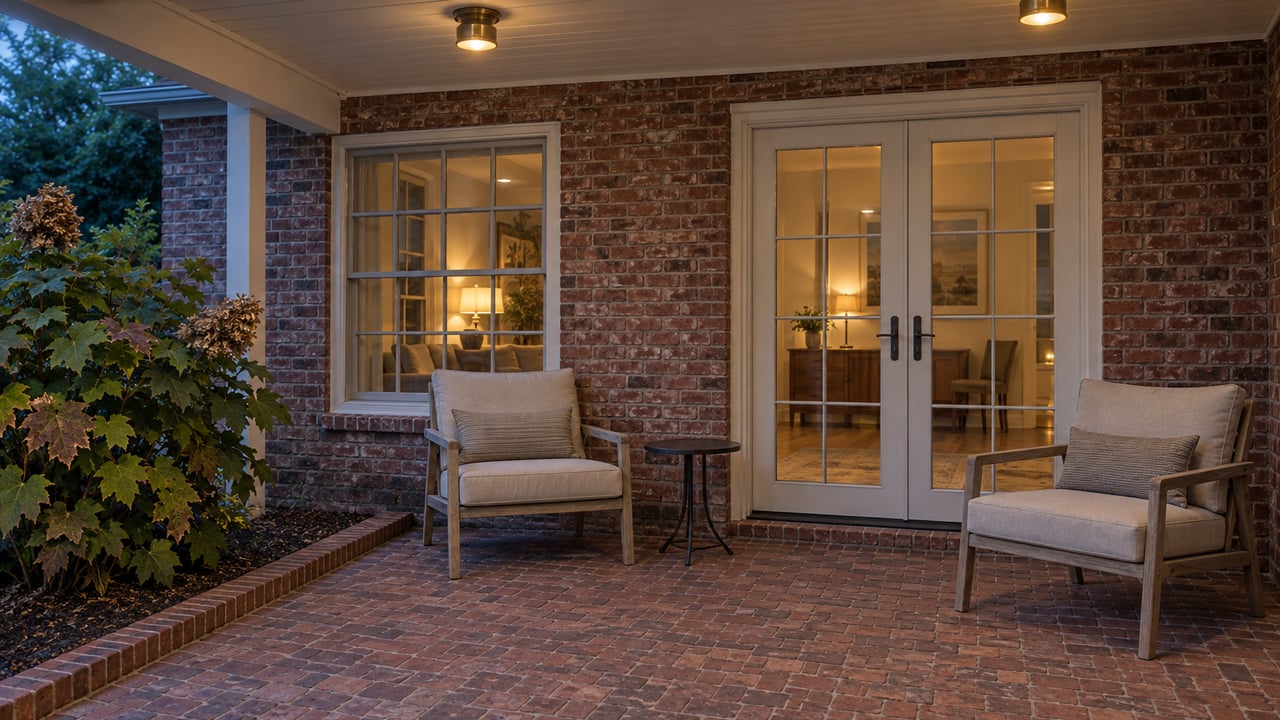
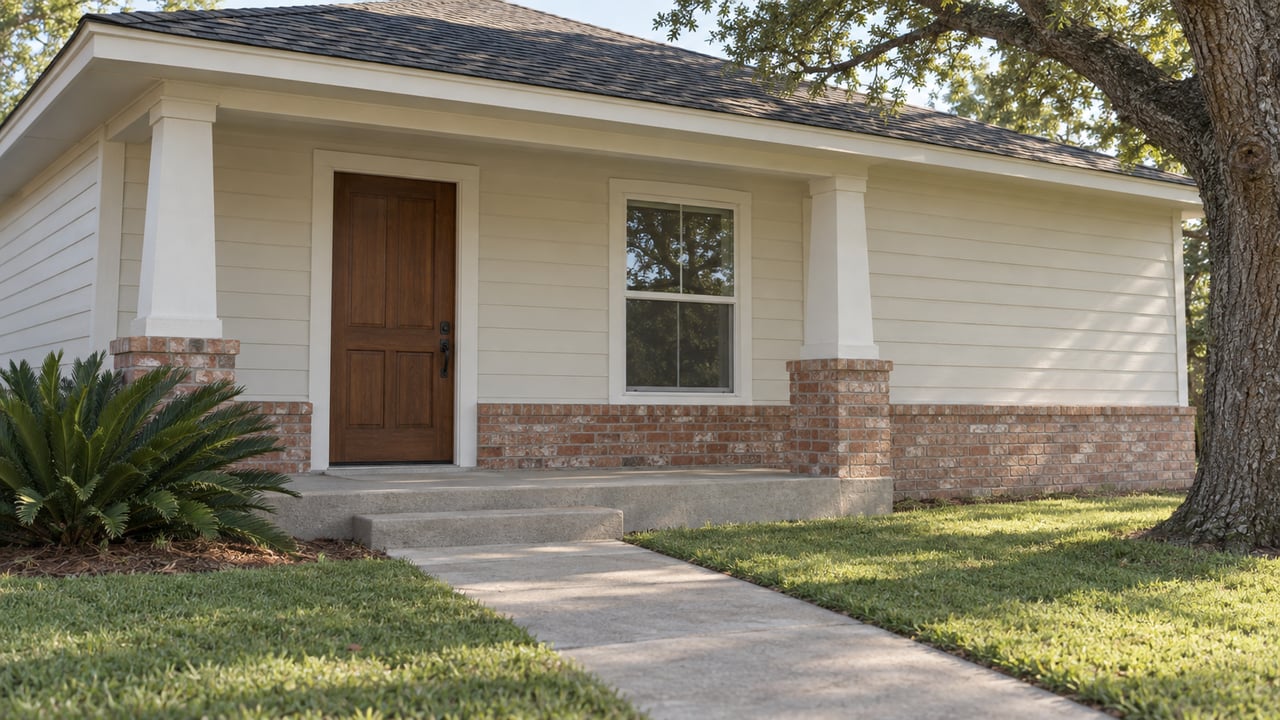
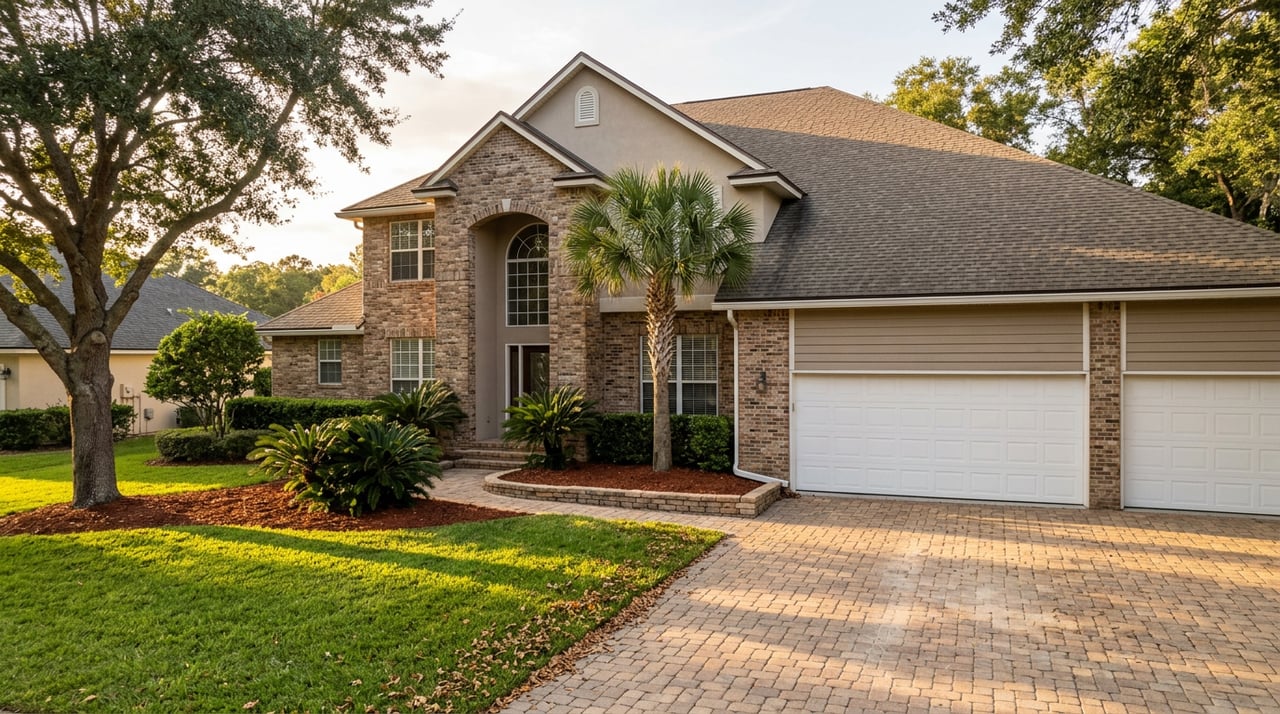
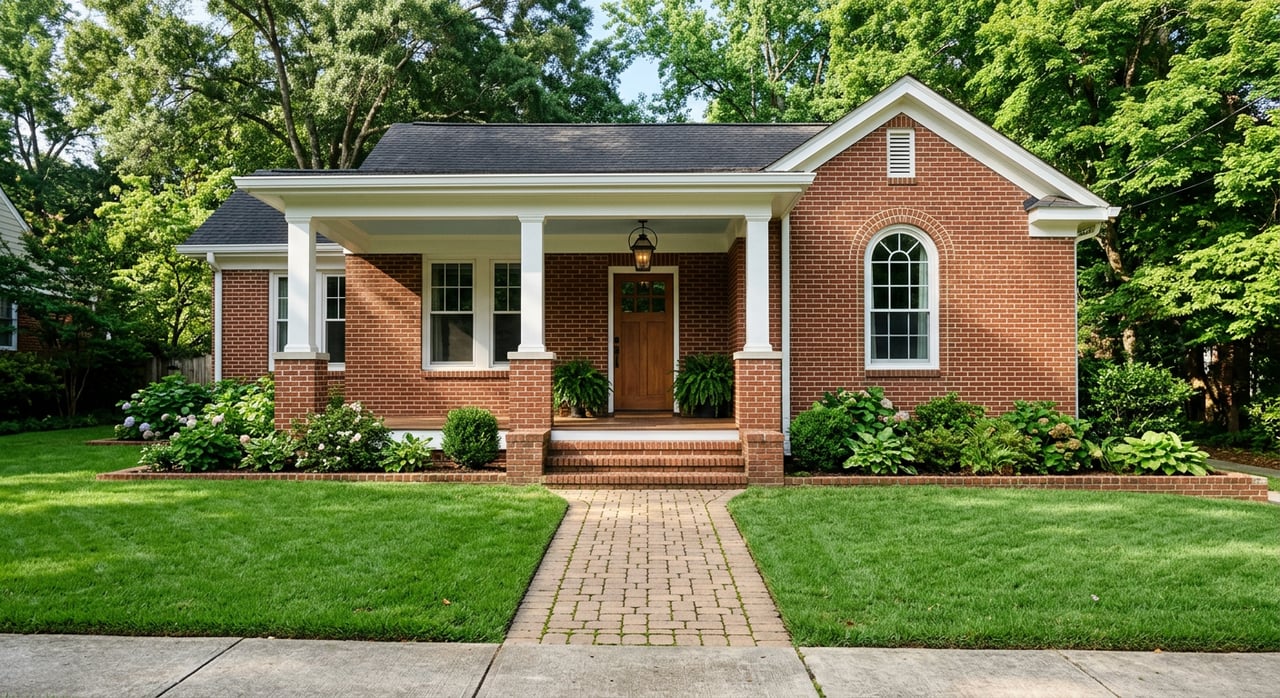
If you love classic architecture, you will find a wide mix here. Common styles include Craftsman and bungalow, Colonial Revival, Mediterranean and Spanish eclectic, Tudor Revival, and touches of Queen Anne and Prairie influences. Streets often feature mature oak canopies, deep porches, and sidewalks that make everyday walks easy. For a sense of the neighborhood’s design diversity, see the APA’s neighborhood overview.
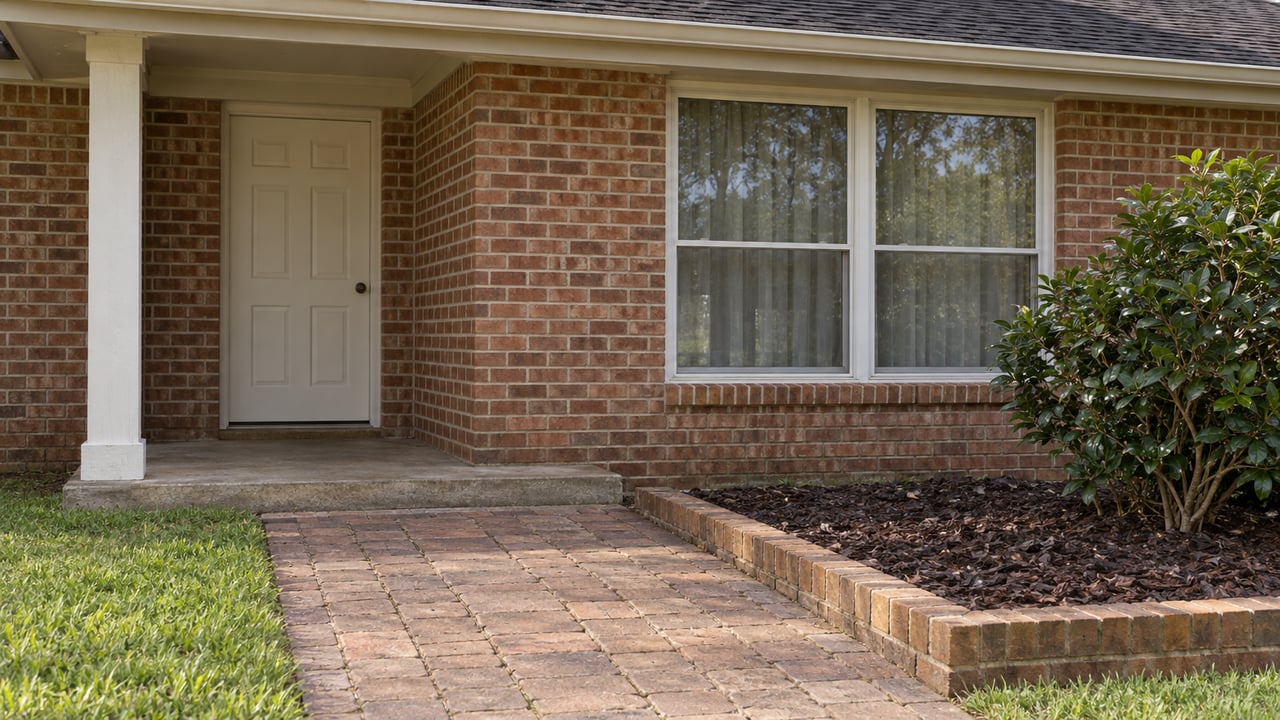
Many homes date to the early 1900s. That means character details and also older‑home considerations. Expect questions about roofing, plumbing, and electrical systems, and plan for thorough inspections and insurance quotes ahead of closing. You will find everything from compact bungalows and condos to larger historic homes and a handful of riverfront estates.
What homes cost
Prices vary by size, condition, and location within the neighborhood. As a general snapshot based on public market indicators in recent years:
- Smaller bungalows, condos, and some fixer opportunities commonly list in the low‑to‑mid $200,000s to $400,000s.
- Fully restored historic homes and larger properties often start in the mid‑$500,000s.
- Riverfront and estate‑scale homes can reach well into seven figures depending on frontage, lot size, and renovation level.
Different data providers track values in different ways and numbers shift month to month. Use these ranges as a quick guide, then verify current comparable sales through the MLS with your agent before you write an offer.
Daily life and amenities
You will have no shortage of local spots for coffee, dinner, and errands. The neighborhood’s main commercial nodes include Five Points, the King Street and Park Street corridor, and the Shoppes of Avondale. RAP maintains an at‑a‑glance directory of these districts on its business districts page.
On Saturdays, residents flock to the Riverside Arts Market under the Fuller Warren Bridge for local vendors, food, and live music. It is a weekly anchor for the community and part of the riverfront experience. Learn more about the market through RAP’s Arts Market page.
For green space and river views, Memorial Park is a neighborhood landmark. The park’s open lawn and riverfront promenade make it a favorite for picnics and sunsets. See RAP’s overview of Memorial Park. You will also find cultural essentials nearby, including the Cummer Museum of Art & Gardens in Riverside.
Walkability and transit
Riverside earns a Walk Score of about 71, which is considered very walkable for daily errands and dining, while Avondale averages around 68. Transit service is available through JTA bus routes and other local options, though many residents still rely on cars for regional commutes. For score details, check the Riverside Walk Score page and for routes and schedules see the Jacksonville Transportation Authority.
What to check before you buy
Historic district approvals
Much of Riverside‑Avondale falls within a City of Jacksonville historic district. Exterior changes to contributing historic buildings often require a Certificate of Appropriateness and reviews under local guidelines. If you plan to renovate, build out a porch, or replace windows, review the City’s standards and consult early with a preservation‑savvy contractor. RAP curates links and how‑to guidance on the COJ historic preservation guidelines.
Flood risk and drainage
Parts of the neighborhood sit in FEMA‑mapped flood zones, especially along the river and some low‑lying blocks. Lenders typically require flood insurance when a home is in a high‑risk zone. Always check the exact parcel on FEMA’s Flood Map Service Center, request any available elevation certificate, and get a flood insurance pre‑quote before you close. RAP also shares neighborhood context on flooding and resiliency.
Inspections, systems, and insurance
Older homes may have components that need repair or updating. Order thorough general and systems inspections and budget for potential upgrades. For homes built before 1978, federal rules require lead‑based paint disclosures and give you certain testing rights. Review buyer guidance on the EPA’s lead paint page, and pre‑quote both homeowners and flood insurance to estimate carrying costs.
Taxes, homestead, and assessment caps
If you plan to make the home your primary residence, Florida’s homestead exemption and the Save Our Homes assessment cap can lower your long‑term property taxes. Application deadlines and millage rates vary and a sale can reset assessed value. Confirm details and deadlines with the Duval County Property Appraiser, and set calendar reminders if you are moving from out of state.
Schools and attendance zones
Public school options in and near Riverside‑Avondale include neighborhood and magnet programs. Local families often reference West Riverside Elementary and Riverside High School. Because attendance zones and program offerings can change, verify school options directly with Duval County Public Schools before you make a location‑sensitive decision. For a starting point on elementary options, see the overview for West Riverside Elementary.
Who this neighborhood fits
Young professionals and singles
You may appreciate the walkable dining corridors, coffee shops, and arts scene. Smaller bungalows, condos, and townhomes can be good entry points. Proximity to downtown jobs keeps commute choices flexible while you enjoy weekend markets and events.
Families focused on parks and programs
Tree‑lined streets and front porches create a neighborhood feel, and you have easy access to parks like Memorial Park. Many homes offer 2 to 3 or more bedrooms in established settings. Families often look for blocks with lower flood risk and confirm school options early in the search.
Downsizers and empty nesters
Single‑story bungalows and townhomes near shops and restaurants make everyday life simple. You can enjoy cultural amenities like the arts market and museum without long drives. If you are moving from a larger home, plan for maintenance updates and take advantage of homestead and assessment protections.
Investors and rental buyers
Walkable neighborhoods near downtown often show steady rental interest. Before you buy, line up local property management and compare expected rents, vacancy, insurance costs, and any historic district or rental rules that apply to your property type. A disciplined underwriting process helps separate solid holds from high‑maintenance buys.
How RiverPoint can help
Buying in a historic neighborhood is rewarding when you have a local partner who knows the homes, the rules, and the nuances on each block. Since 1983, our team has helped buyers, sellers, and investors navigate Riverside‑Avondale with steady guidance, from identifying the right streets and house styles to planning inspections, insurance quotes, and preservation approvals. If you are moving in from another part of town or out of state, we can also support you with rentals and property management as part of a full‑service plan.
Ready to explore homes or map out a smart purchase in Riverside‑Avondale? Reach out to RiverPoint Real Estate to start the conversation.
FAQs
Is Riverside‑Avondale officially historic, and what does that mean?
- Much of the neighborhood lies in local and National Register historic districts, and many exterior changes require approvals under City of Jacksonville guidelines.
How walkable is Riverside‑Avondale for errands and dining?
- Riverside averages a Walk Score around 71 and Avondale around 68, with clustered dining and retail in Five Points, Park and King, and the Shoppes of Avondale.
What are typical home prices in Riverside‑Avondale?
- Entry‑level condos and smaller bungalows often list from the low‑to‑mid $200,000s to $400,000s, larger restored homes commonly start in the mid‑$500,000s, and riverfront can reach seven figures.
Do I need flood insurance to buy here?
- If the property is in a high‑risk FEMA zone your lender will usually require flood insurance, so check the exact parcel on FEMA’s Flood Map Service Center and pre‑quote coverage.
What inspections should I order for an older home?
- Schedule a full home inspection plus focused checks on roof, plumbing, electrical, and HVAC, and review your rights and disclosures for lead‑based paint if the home predates 1978.
Which schools serve Riverside‑Avondale buyers?
- Public options include neighborhood and magnet programs, with families often reviewing West Riverside Elementary and verifying attendance zones with Duval County Public Schools.